
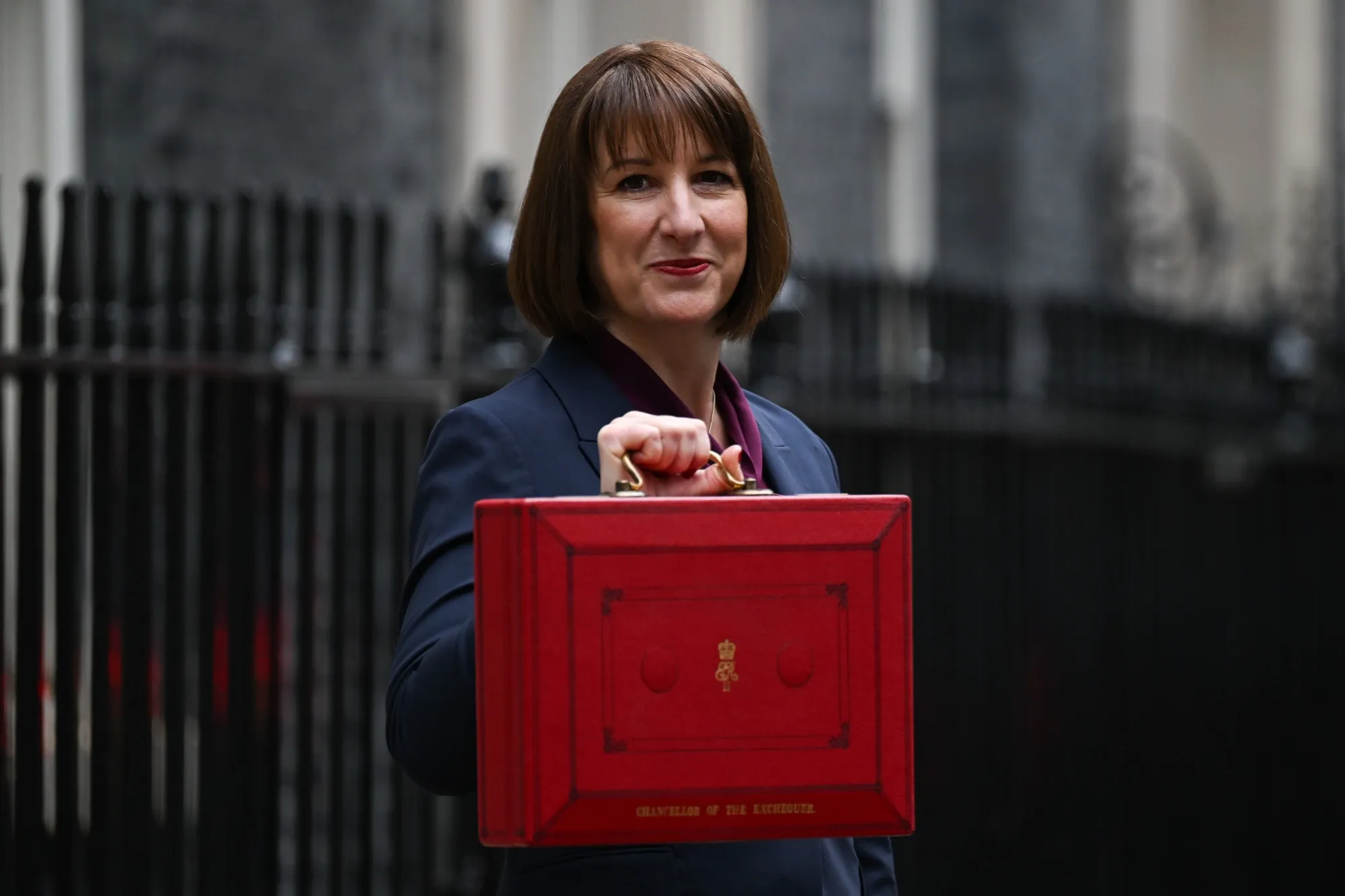
The Chancellor of the Exchequer, Rachel Reeves, presented the Budget statement to the House of Commons shortly after 12:30pm this afternoon. The Budget statement updates Parliament and the nation on the state of the economy, on public finances and on progress against the Government’s economic objectives.
This is the second Budget statement delivered by Rachel Reeves and takes place against a background of continuing low economic growth, price inflation remaining above target, and sustained low opinion poll ratings for the Government.
This snapshot is intended to give you high-level bullet points of the key points announced by the Chancellor from the dispatch box.
Income tax
- The personal allowance of £12,570, the higher rate threshold of £50,270 and the additional rate threshold of £125,140 are to remain unchanged until 2030/2031.
- Pensioners whose only income is the basic or new State Pension without any increments will not have to pay small amounts of tax from 2027/2028 if their State Pension exceeds the personal allowance from that point.
- Income tax rates on rental and savings income are to increase by 2% from April 2027.
- The ordinary and upper rates of tax on dividend income are to increase by 2% from April 2026. There is to be no change to the dividend additional rate.
National Insurance Contributions (NICs)
- Salary sacrifice pension contributions above an annual £2000 threshold will now be subject to employer and employee NICs from 2029/2030.
ISAs
- The ISA allowance is to remain unchanged at £20,000, but from April 2027, the maximum cash ISA annual allowance for individuals under 65 will be £12,000. Over 65s will continue to be able to pay £20,000 into a cash ISA each year.
IHT
- The £1 million allowance for the 100% rate of agricultural relief and business relief will be transferable between spouses and civil partners when the already announced changes to agricultural relief and business relief come into force in April 2026.
Property taxes
- A High Value Council Tax Surcharge is to be introduced in England from April 2028. The surcharge will be £2500 for properties worth more than £2 million and £7500 for properties worth more than £5 million. The surcharge will be collected by local authorities on behalf of the central government
Cars
- The temporary 5p cut in fuel duty is to be extended until the end of August 2026, with rates then gradually returning to March 2022 levels by March 2027.
- Vehicle Excise Duty for cars, vans and motorcycles is to be increased in line with RPI from April 2026.
- An Electric Vehicle Excise Duty, a new mileage charge for electric and plug-in hybrid cars, is to come into effect from April 2028. Drivers will pay for their mileage alongside their existing Vehicle Excise Duty.
Work and benefits
- The State Pension and Pension Credit are to be increased by 4.8% in 2026/2027.
- Working age benefits to be increased by 3.8% in 2026/2027.
- From April 2026, the National Living Wage for people aged 21 or over increased from £12.21 an hour to £12.71 an hour, and the National Minimum Wage for people aged 18 to 20 increased from £10.00 an hour to £10.85 an hour.
- The two-child limit in the Universal Credit Child Element is to be removed from April 2026.
Other measures
- All regulated rail fares in England are to be frozen for one year starting from March 2026. There will be no changes in the price of season tickets, peak return fares for commuters and off-peak returns between major cities until March 2027.
- NHS prescription charges in England are to be frozen in 2026/2027, with the cost of a single prescription remaining at £9.90.
What this could mean for you
While every client’s circumstances differ, a number of groups may be affected in particular:
Business owners and higher earners
You may wish to review how you draw income and how you contribute to pensions, given the changes to salary sacrifice and the longer-term impact of threshold freezes.
Clients approaching or in retirement
Retirement income planning, including how and when withdrawals are made, may benefit from a review due to changing tax dynamics on income and investment returns over time.
Investors and savers
Strategies that utilise tax-efficient wrappers such as pensions and ISAs remain valuable.The balance between cash savings and long-term investments may need reassessment to ensure tax efficiency.
Property-owners
Clients holding property alongside investment portfolios may benefit from reviewing how overall income and gains are taxed under a frozen threshold environment.
Taking steps to stay ahead
With rising tax pressure and changes to pension funding rules on the horizon, this Budget reinforces the value of proactive planning. A structured review could help ensure:
✓ Your income remains tax-efficient
✓ Pension contributions are optimised before changes take effect
✓ Savings and investment wrappers are being fully utilised
✓ Long-term plans (retirement, gifting, estate planning) remain aligned to your goals
✓ Your assets and estate are passed to your beneficiaries with the highest degree of protection
If you wish to discuss how the Budget affects you specifically, or if you have any questions, then please contact your adviser directly or email: